Seed-Starting Timing (Without the Chaos)
If seed starting has ever made you feel like you’re behind, late, early, or just plain confused, you’re not alone. Most beginner gardeners don’t fail at growing plants. They fail at timing.
BEGINNER GARDENER
12/31/20252 min read
How to Use Your Last Frost Date to Know What to Start Indoors vs. Direct Sow
You just need your last frost date, and a simple plan.
Let’s break it down in a way that actually works for busy families and beginner gardeners.
The Problem: Seed-Starting Feels Overwhelming (and Messy)
Most beginners run into the same issues:
Starting seeds way too early → leggy, sad plants
Starting seeds too late → tiny plants, late harvest
Not knowing what goes indoors vs. outside
Buying seeds with good intentions… then panicking
Seed packets don’t help much either. They assume you already know what you’re doing.
Let’s fix that.
The Solution: Your Last Frost Date = Your Garden GPS
Your last frost date is the average date in spring when freezing temps are done for the season.
Everything in seed starting revolves around it.
Think of it like this:
Your last frost date tells you when it’s safe to plant outside, and how far back to count for indoor seeds.
Step 1: Find Your Last Frost Date
You can:
Google “last frost date + your zip code”
Check a local extension office website
Write it down. Put it on your fridge. This is now your garden anchor.
What to Start Indoors (Before the Last Frost)
These plants like a head start because they grow slowly or hate cold soil.
Start these 4–10 weeks before your last frost date (check seed packets for specifics):
Tomatoes
Peppers
Eggplant
Broccoli
Cauliflower
Cabbage
Herbs like basil and parsley
Why start indoors?
Faster harvests
Stronger plants
Less pest pressure early on
What you can use to start seeds indoors ---> seed trays, grow lights, seed-starting soil
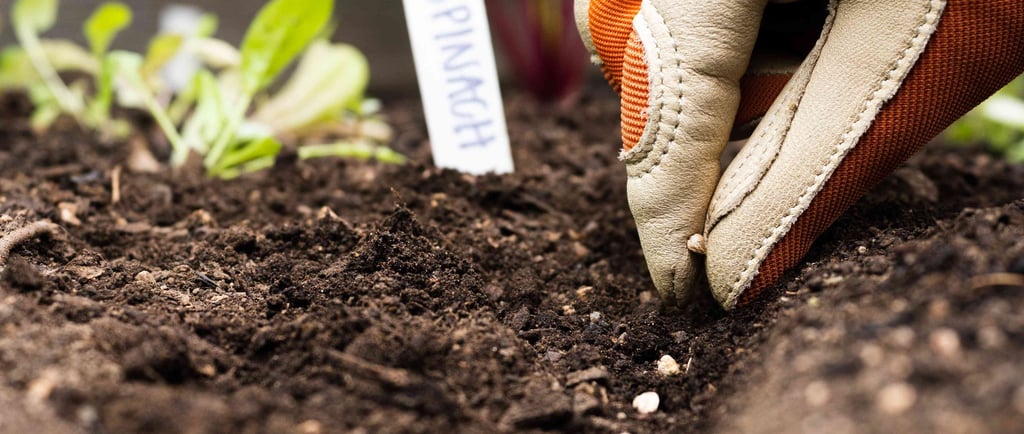
What to Direct Sow (Straight in the Ground)
These seeds do not want to be babied. They prefer to grow where they’re planted.
Plant these at or after your last frost date:
Carrots
Radishes
Beans
Peas
Lettuce
Spinach
Beets
Zucchini
Cucumbers
Why direct sow?
Roots don’t like transplanting
Less work
Less mess inside your house
What you can use to direct sow ---> garden tools, soil amendments, raised bed kits
Quick Cheat Sheet (Save This)
If the plant…
Grows slowly → start indoors
Hates cold → start indoors
Has a taproot → direct sow
Grows fast → direct sow
If you’re unsure, check the seed packet. It will usually say:
“Start indoors X weeks before last frost”
or “Direct sow after danger of frost”
Common Beginner Mistakes (So You Can Avoid Them)
Starting everything at once
Ignoring frost dates entirely
Transplanting too early
Overcrowding seed trays
You don’t need to do it all. You just need to do the right things at the right time.
A Simple, Low-Stress Seed-Starting Plan
For your first year, aim for:
2–3 indoor crops (tomatoes + peppers = great start)
3–4 direct sow crops (lettuce, carrots, beans)
That’s it. That’s enough to build confidence and actually get results.
Final Thought
Gardening doesn’t need to feel chaotic. Once you understand your last frost date, seed starting stops being stressful, and starts making sense.
Start small. Start smart. And let your garden grow with you 🌱
Contact:
valeriegardensinfo@gmail.com
Don’t Miss What’s Growing Next 🌱
Our newsletter delivers timely tips, seasonal playbooks, practical recipes, and no-nonsense advice straight to your inbox. No fluff. No spam. Just high-value insights you can actually use.
Disclosure: As an Amazon Associate/Influencer, I earn from qualifying purchases.