What Zone Am I Gardening In? (And Why It Actually Matters)
If you’ve ever Googled “why did my plant die?” only to be told “it’s not suitable for your zone”, welcome. You’re in the right place. Let’s cut through the confusion, ditch the gatekeeping, and answer this once and for all in plain English.
BEGINNER GARDENERSEASONAL GARDENING
1/8/20262 min read
The Problem: You’re Gardening Blind (And It’s Not Your Fault)
Most beginner gardeners struggle because they don’t know what growing zone they’re in, and nobody explains why it matters.
Instead, you’re left with:
Conflicting advice online
Plants that thrive for other people but flop for you
Seed packets that feel like they’re written in another language
Here’s the truth no one tells you:
Gardening zones don’t make you a “real” gardener, they make you a smarter one.
Once you know your zone, everything else gets easier.
So… What Is a Gardening Zone?
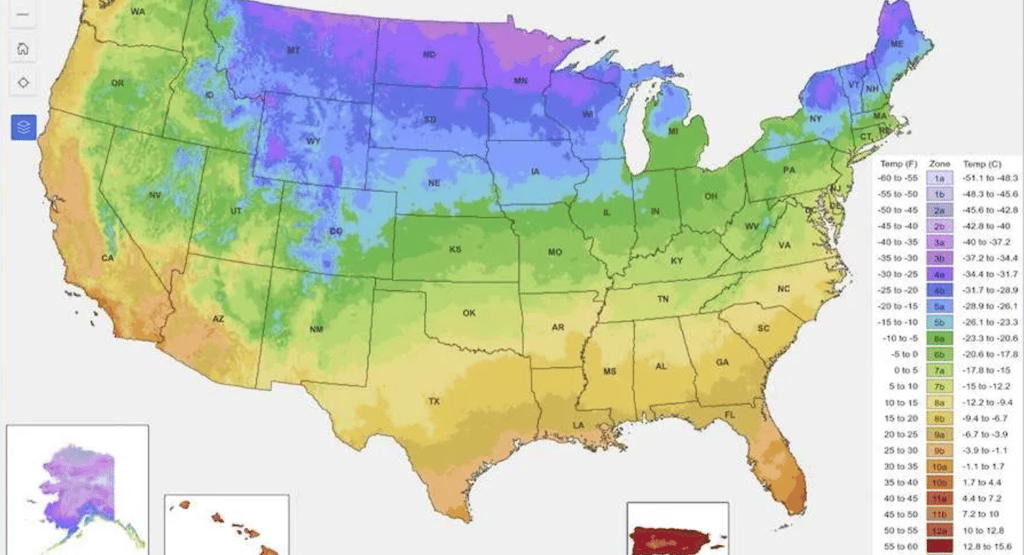
A gardening zone (also called a hardiness zone) is a way to classify how cold your area gets in winter.
In the U.S., this is based on the USDA Plant Hardiness Zone Map.
Your zone helps you understand:
What plants can survive your winters
When to plant (and when not to bother)
Which perennials will come back every year
Why your neighbor’s roses thrive and yours didn’t
Think of it as your garden’s climate personality.
Why Gardening Zones Matter (Especially for Beginners)
Knowing your zone helps you:
Stop wasting money on plants that never had a chance
Plant at the right time instead of guessing
Choose beginner-friendly crops that actually grow
Feel confident instead of overwhelmed
Without your zone, gardening turns into:
Trial and error
Frustration
Burnout
And eventually… quitting
We’re not doing that here.
How to Find Out What Zone You’re Gardening In (It’s Easy)
You do not need:
A soil test
A fancy app
A degree in horticulture
You need 30 seconds and your zip code.
Step-by-Step:
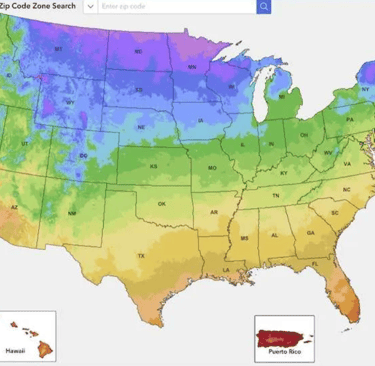
Go to the official USDA Plant Hardiness Zone Map
Enter your ZIP code
Your zone number will appear (example: Zone 7b, Zone 9a, etc.)
That’s it. No login. No spam. No drama.
What Do Those Numbers and Letters Mean?
Gardening zones look confusing, but they’re simple once you break them down.
Example: Zone 8b
The number (8) = the general climate range
The letter (a or b) = slightly colder or warmer within that range
For beginners, here’s the key takeaway:
The number matters more than the letter.
Don’t overthink it. Gardening rewards action, not perfection.
What Should You Do Once You Know Your Zone?
This is where the magic happens.
1. Use Your Zone to Choose Plants
When shopping for plants or seeds, look for:
“Hardy to Zone ___”
“Best for Zones ___”
If your zone falls in that range, you’re good to go.
Beginner-friendly plants or seed kits by zone.
2. Time Your Planting Better
Your zone helps you understand:
Last frost date (when it’s safe to plant outside)
First frost date (when things start dying back)
This prevents:
Planting too early
Losing plants to surprise cold snaps
Crying over tomatoes in April
3. Ignore Advice That Doesn’t Match Your Zone
This is huge. If someone in Zone 10 is giving advice to someone in Zone 5, chaos ensues.
Your zone = your rules.
The Solution: Garden With Your Zone, Not Against It
Once you know your gardening zone:
You stop guessing
You plant smarter
You see better results faster
And most importantly, you enjoy gardening again.
Gardening isn’t about doing more.
It’s about doing the right things for your location.
Quick Recap (Save This)
Your gardening zone tells you how cold your winters get
It affects what you can grow and when
You can find it instantly using your ZIP code
Knowing your zone saves time, money, and sanity
Planting charts, planners, or beginner gardening tools.
Final Thought
If you’ve ever felt behind, confused, or convinced you’re “bad at gardening”, you’re not.
You were just missing one key piece of information.
Now you have it. 🌱
And that’s where real growth starts.
Contact:
valeriegardensinfo@gmail.com
Don’t Miss What’s Growing Next 🌱
Our newsletter delivers timely tips, seasonal playbooks, practical recipes, and no-nonsense advice straight to your inbox. No fluff. No spam. Just high-value insights you can actually use.
Disclosure: As an Amazon Associate/Influencer, I earn from qualifying purchases.